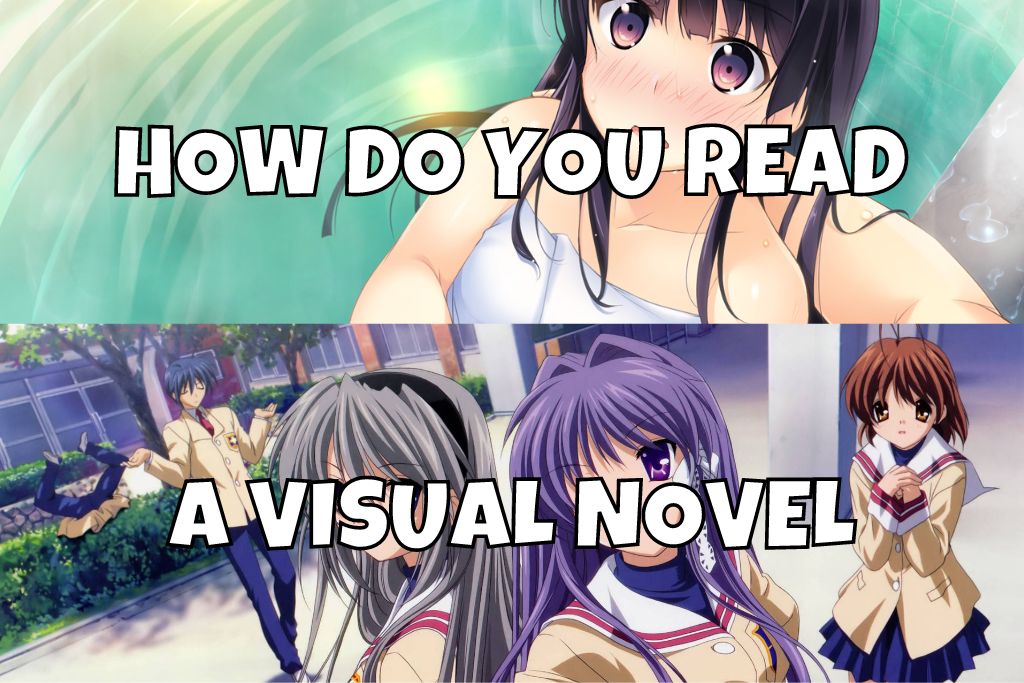
A beginner’s guide on how do you read a visual novel.
Visual novels are a unique blend of literature, art, and interactivity, offering an immersive storytelling experience. They typically combine text, character portraits, background art, music, and voice acting to create a rich, multi-sensory narrative. While visual novels may seem like simple “interactive books,” there is much more to them, especially for newcomers. Here’s a beginner’s guide on how to read a visual novel effectively.
If you’re new to the world of visual novels, then you most likely have a few questions about how it all works and the best ways to read the VNs that excite you. They’ve been around for so long, and are offered on so many different platforms, that it can all be really confusing to a new fan. Don’t worry, though, because it’s not as complicated as it seems. Most visual novels work the same way and, once you understand the basics, you’ll be able to figure out any novel on any platform. Here are tips on how do you read a visual novel.
Layout of the Visual Novel
The first thing to understand is the basic layout of most visual novels. A visual novel is just that: a novel that comes with visuals. You get lots of text to read and it’s in one of two places. It’s either laid over the images, or it’s in a text box, which is usually at the bottom of the frame. You advance the story by either clicking or letting it autoplay. Just keep in mind that any autoplay option is going to be at a speed that may or may not work for you.
Visual novels are often divided into “chapters” or “routes,” and unlike traditional books, the story may branch based on your choices. At pivotal moments, you will be presented with decisions that affect the storyline’s outcome. These decisions lead to different narrative paths, allowing for multiple playthroughs with varied experiences.
VNs VS Other Genres
If you’re completely new to visual novels, then you might be struggling to understand the genre and what it has to offer you. The simple fact is that visual novels themselves come in lots of different styles and niches. There are games with lots of action and then games with nothing but reading. The only thing you can really expect from a visual novel is that it will have a detailed storyline that takes you on a journey through a world that’s been designed for you. They differ from other genres of games in the action that you can expect out of your gameplay. First person shooters, for example, have you controlling every movement of your character and their weapons. Action games are much the same, with RPGs giving you extra control over the character’s traits and layouts. Visual novels may have an action aspect to them, but much of the control is taken away from you. It’s a much more relaxed experience where you get to explore at a slower pace and enjoy the game’s artwork. One is never better than the other, it’s just about what you feel like playing.
Get Comfortable with the Interface
The interface of a visual novel is usually straightforward. The screen will display text, character portraits, and backgrounds, with options at the bottom for progressing the story or making decisions. Familiarize yourself with the controls—whether you’re using a mouse, keyboard, or touchscreen—so you can comfortably navigate between text boxes and choice menus. Some visual novels allow you to skip through previously read dialogue, which can be helpful if you’re revisiting a chapter or trying to explore different routes.
Take Your Time with the Text
While visual novels are visually engaging, the primary medium is still text. Read carefully and immerse yourself in the narrative. The dialogue and internal monologues will help develop character depth and move the plot forward. Unlike traditional novels, where you only imagine the world and characters, visual novels combine written descriptions with visual elements, so take time to absorb both the text and accompanying art.
Making Choices
Lots of visual novels are all about making choices that determine the outcome of the game. It can be in the form of decisions about what you do, or it can be in the dialogue choices you make. That’s what playing one is all about. You get to click on different options and the choices you make will give you a good ending or a bad ending. It’s called “branching narrative” and it’s been the basis for the games since they were first developed. Most of the games start you off with tiny decisions that you have to make, just to get you used to the gameplay. They’ll then make the decisions more important as the game progresses until you get to the major ones. The decisions build on each other, giving you a unique path, almost every time you play a game. That’s why so many people like them as much as they do. They’re perfect games to play over and over again and you can try to make every decision in the game to get all of the outcomes and scenarios unlocked. This all works to make them very good games for completionists.
Visual Novel Platforms
Another thing that’s good about visual novels is just how available they are to you. There are lots of websites that host them and let you play for free. If you want to have the most immersive experience you can get, there’s no better way to play them than on a desktop. The size of the screen lets you fully enjoy the artwork, and you’ll feel like you’re in the world you’re playing. You don’t have to do that, though. There are also apps that you can download to read your VNs right on your phone.
These apps let you tap instead of clicking and they have plenty of titles in vertical alignment. That lets you see them fill up your entire screen and you can still play them with one hand. The apps are readily available on the Google Play store and iOS. On top of all that, you can both stream and download visual novels. They’re light on data, so playing them right on a website is never a concern. They’re also easy to download and you won’t have to install most of them. You simply click on the file, and it will open in the program of your choice, including your web browser.
Your choices are crucial in shaping the story. Some visual novels will have multiple endings depending on your decisions, from good to bad endings, or even hidden “true” endings. Think about how the characters might react and the consequences of your choices. In some cases, you might want to explore different routes to see how different choices play out, and replays are encouraged to discover all the possible outcomes.
Many visual novels offer extra content such as unlocked artwork, character backstories, or bonus routes. After completing the main storyline, revisit the game to uncover hidden details and gain a deeper understanding of the world and its characters. Some games even feature “CG galleries” and music collections that are worth exploring.
Finding Help
If you ever need help with a visual novel, or where to find them, there are communities on the internet that are always ready to help. Reddit is a great place to ask questions and find ones that have already been answered. There are also message boards all over the internet that are active and filled with people who love visual novels. The more you look, the more places you’ll find, and the number is always growing because there are always new people getting into the genre and loving it.
Conclusion: Visual Novels are Easy to Play
No matter how you look at it, visual novels are extremely easy to play, and you don’t have to put a whole lot of work into them. You simply click your way through the story and make any decisions that are posed to you. Those decisions will determine the outcome of your playthrough. You can get them on lots of different platforms, including right on your phone. They can be streamed or downloaded, and you always have communities to take advantage of, in order to get any help that you need. That’s pretty much everything you need to know about them.
Visual novels often have vibrant communities where fans discuss the story, share fan theories, and recommend similar games. Engaging with others can deepen your appreciation of the genre and introduce you to new titles.
In conclusion, reading a visual novel is not just about following a narrative—it’s about engaging with an interactive medium that combines storytelling, visual art, and gameplay. Take your time, make thoughtful choices, and enjoy the experience of exploring richly detailed virtual worlds.