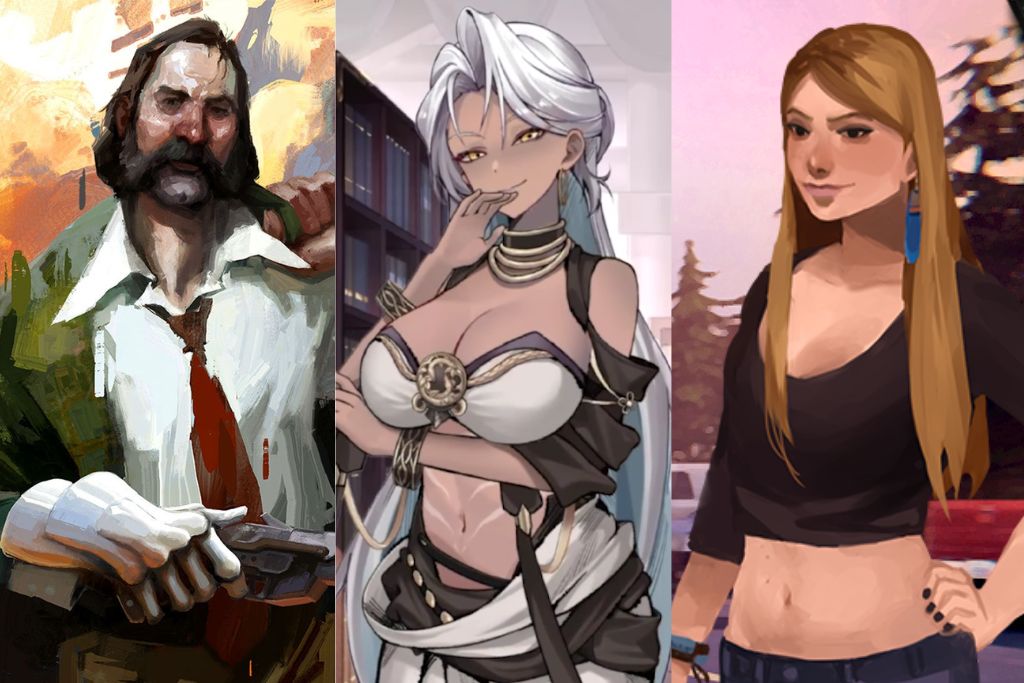
There are visual novels from all around the world that anyone can play with nothing more than an internet connection right now. Sometimes you need to take a break, though. There’s nothing wrong with taking a breather from visual novels to get back into other types of gaming to get your fix. If you end up missing the aesthetics of novels, don’t worry about it. There are some games that look like visual novels and others that play like them. Here are some games that are so similar to visual novels that you’ll love them as soon as you see them.
In the world of interactive entertainment, games and visual novels often stand as two distinct genres. However, upon closer examination, they share several key similarities that bridge the gap between them. Both offer interactive experiences, immerse players in narratives, and emphasize player choice, albeit in different ways. Understanding the overlap between these two forms of media not only enhances our appreciation of them but also highlights the ways in which storytelling and interactivity can blend seamlessly.
Similarity Between Games And Visual Novels
At the heart of both games and visual novels is storytelling. Whether it’s the complex, immersive world-building of an RPG or the romantic dialogues of a dating sim, both mediums prioritize narrative and character development. In traditional games, especially those with a strong narrative focus like role-playing games (RPGs) or adventure games, the story drives player engagement. The player’s choices and actions influence the outcome of the story, creating a sense of agency and immersion. Visual novels, on the other hand, offer a more direct focus on narrative, often featuring text-based storytelling with static or animated images. Despite the different methods of storytelling, both genres rely on character arcs, plot progression, and thematic exploration to captivate their audience.
Another commonality is the significant emphasis on player agency. In both games and visual novels, players are presented with choices that affect the course of events. In many games, especially RPGs and adventure games, players make decisions through dialogue or action that can lead to branching storylines, multiple endings, or changes in the game’s world. These choices are designed to give players a sense of control, allowing them to shape the narrative in a way that feels personal and meaningful.
Visual novels often take this concept further by making choices a central aspect of the experience. In a typical visual novel, players may choose between different dialogue options or decide how characters should act in various situations. These decisions lead to different outcomes, and like games, visual novels often feature multiple endings. While the level of interactivity in visual novels might be less dynamic than in some games, the choices still provide a significant amount of influence over the story’s progression, making both mediums similar in terms of player involvement.
Both genres aim to engage players emotionally. In a game, this can happen through the character’s journey, the stakes of the world, or through specific in-game events that pull at the player’s emotions. A player might experience joy when overcoming challenges, fear when facing dangerous adversaries, or sorrow when witnessing a beloved character’s death. Similarly, visual novels focus heavily on emotional connection, often through character interactions and dialogue. Many visual novels explore deep emotional themes, such as love, loss, or friendship, using text and imagery to evoke powerful feelings in the reader. The emotional engagement in both games and visual novels is what makes them memorable and compelling, even when the narrative structure or level of interactivity may vary.
Games and visual novels also use multimedia elements to heighten the immersive experience. Games often incorporate voice acting, music, sound effects, and visual design to create a rich, sensory environment. These elements work together to reinforce the emotional tone and atmosphere of the story. Similarly, visual novels frequently utilize background music, character sprites, and voice acting to create a more immersive and engaging narrative experience. While the visual and auditory elements in visual novels might not be as complex as in most games, they are still integral to creating a mood and enhancing the narrative experience.
Wondering what games are similar to visual novels? Below, we’ve listed some great picks that share the same engaging storytelling and interactive experience.”
Disco Elysium
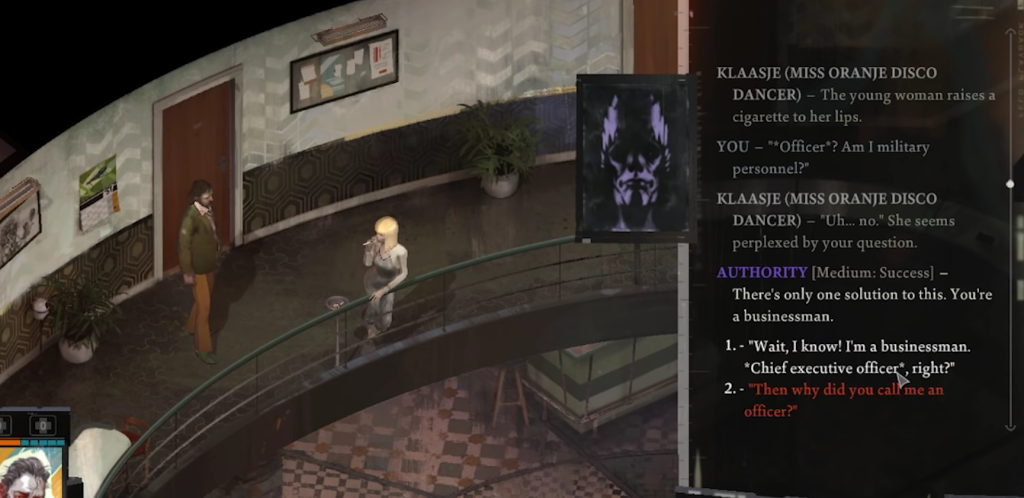
Disco Elysium is an RPG that doesn’t have much combat to deal with. Whenever you have to fight, it gets resolved through skill checks and dialogue trees. It’s that conversation system that makes it so similar to visual novels and it’s gotten plenty of attention. In fact, Metacritic praised the game for it, along with its deep and entertaining narrative. Then there’s the visual style. If you saw stills from the game in a visual novel then you wouldn’t blink an eye at them because they’d fit right into the genre.
Life is Strange
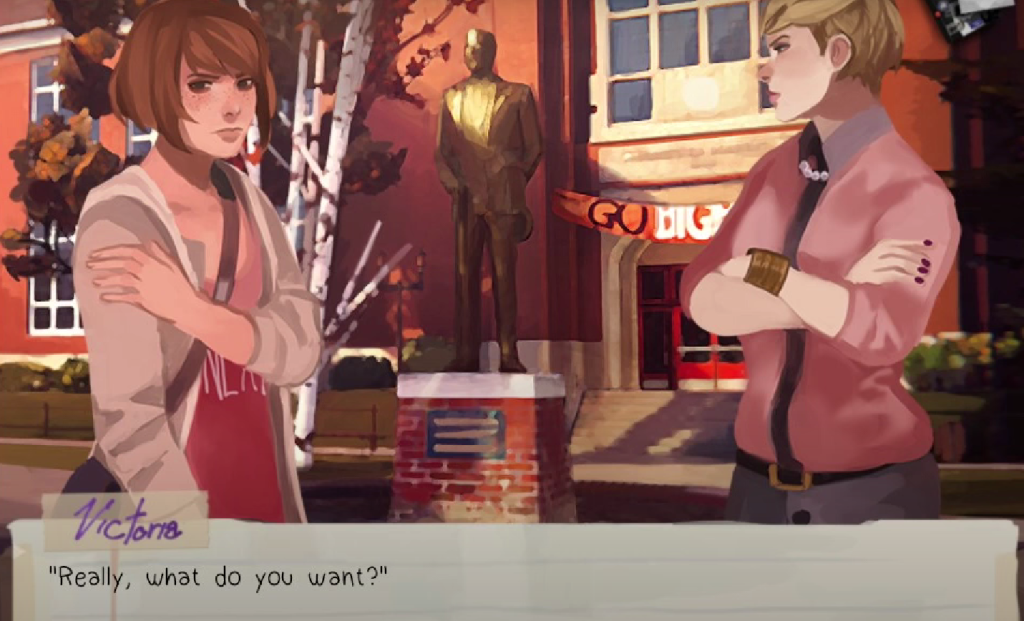
Life is Strange was released in 2015 and has gotten more than enough critical acclaim for its narrative approach to gameplay. It follows the story of Maxine Caulfield, who returns to Oregon for school. Once there, she has a vision of a tornado ripping through the town and causing destruction. The visuals are very similar to VNs, but that’s not all. It plays out like a point and click adventure and there’s a ton of dialogue and monologue to enjoy. On top of that, it’s an episodic adventure released in bite sized installments to keep it fun.
Pentiment
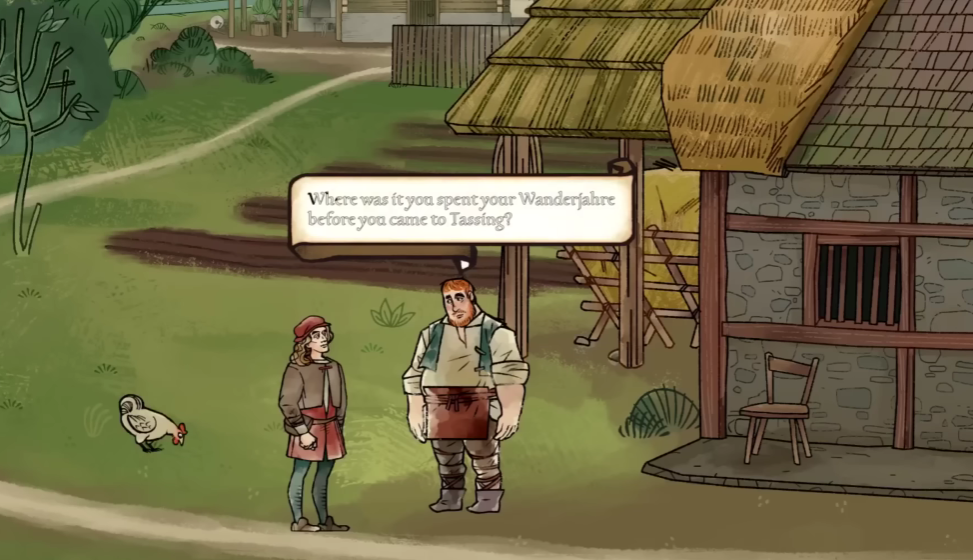
Pentiment is an Obsidian game and that should get you paying attention already. It was released in 2022 as an Xbox exclusive and that’s still the only place you can find it. The visual style is a mix between typical VN and Renaissance paintings. The animation, oddly enough, looks like it came from Terry Gilliam and that’s a very good thing. It’s a good, old fashioned, RPG with long reaching decisions and dialogue choices for you to make. Any tiny choice you go with will have an impact on the rest of the game and you can’t get more like a VN than that.
To Be or Not To Be
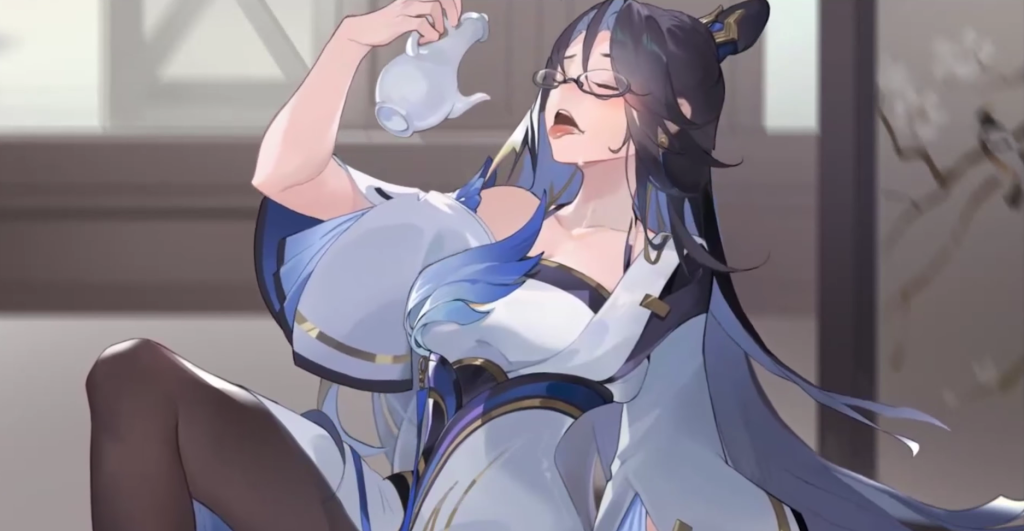
If you’re looking for a game with a sense of humor, then you’re going to want to check out To Be or Not To Be as soon as you can. It’s complexly based on the story of Hamlet and created by Ryan North. You can find it on the Nintendo Switch as well as on Steam, so you don’t have to go far to find it. The thing that makes it the most similar to VNs is its branching dialogue system and multiple endings, including the original, that you can unlock.
King of Dragon Pass
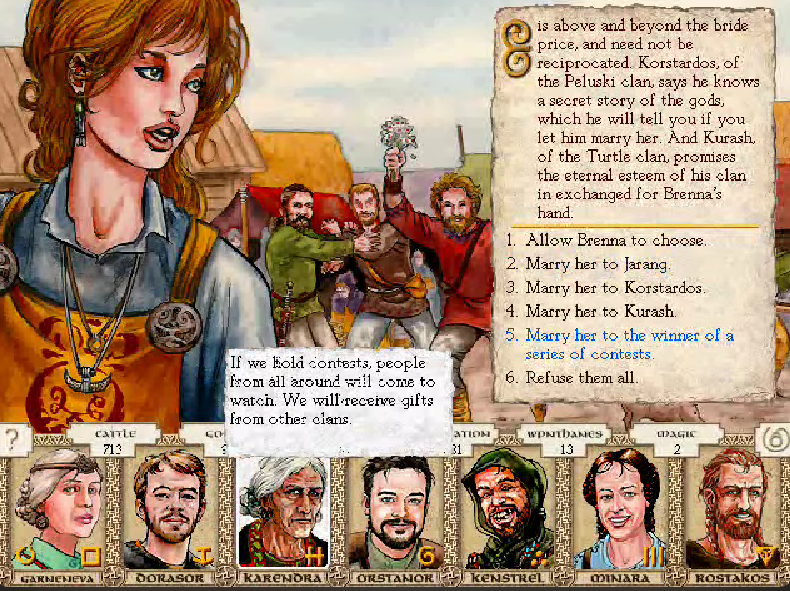
King of Dragon Pass is an older game but it’s still more than worth your time to check it out. It came out in 1999 and was published by A. Sharp. It can be defined as many things, from a simulation fantasy to an RPG, or even a management game. That’s why it’s similar to a VN. You manage your resources while making decisions that can lead to multiple outcomes. It looks like a visual novel, as well, so you’re going to feel right at home with it and you won’t have to deal with a learning curve.
The Life and Suffering of Sir Brante
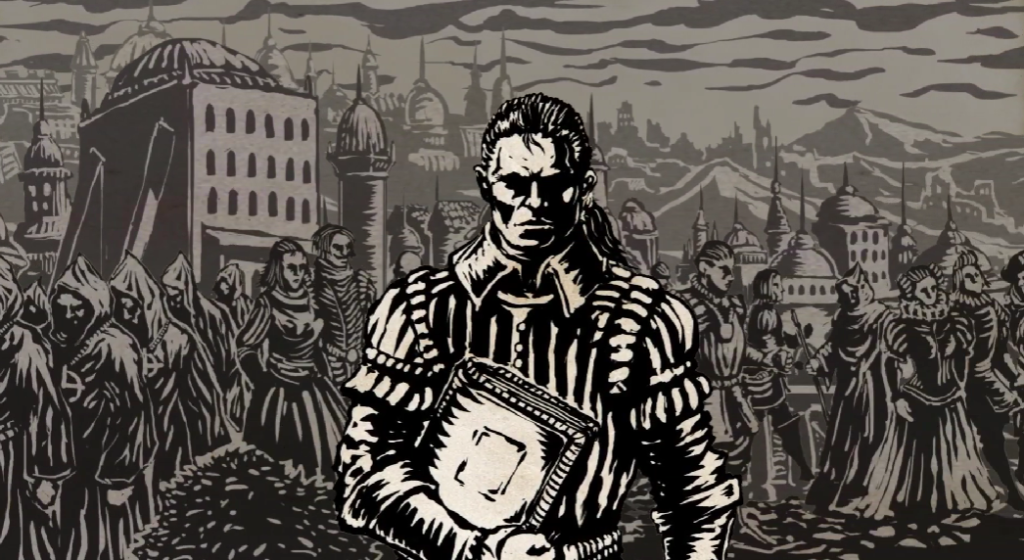
The Life and Suffering of Sir Brante was released in 2021 and can be found on Xbox One, PlayStation4, Nintendo Switch, Steam, and Windows. The storyline follows a protagonist who dares to stand up against the ruling order and you get to play through it as a narrative driven RPG. It can also be called a sim game, adventure game, and a strategy game. It’s also an indie game, so there are more than enough reasons to check it out, including its branching narrative and many unlockable endings.
Yes, Your Grace
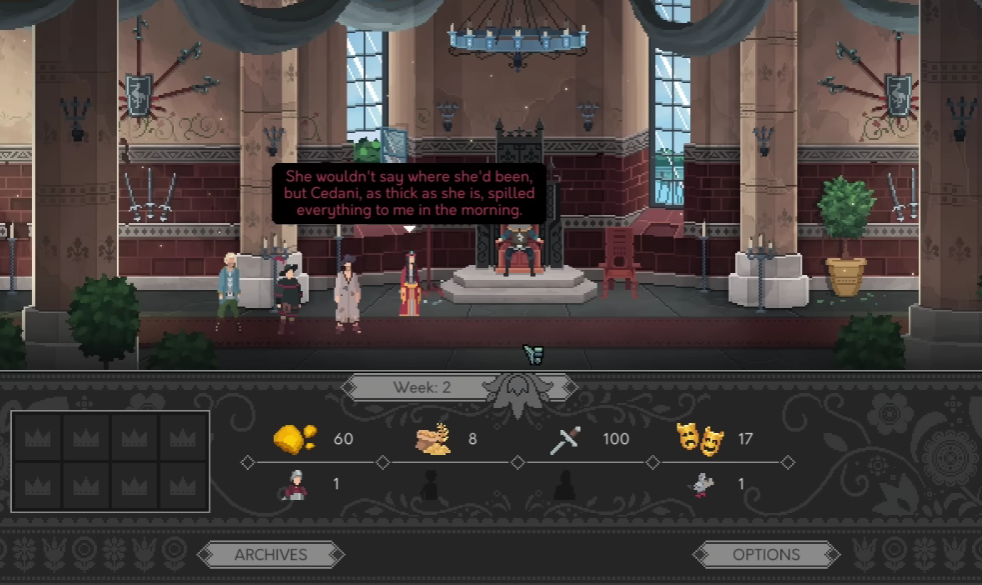
Yes, Your Grace is an RPG and resource management game published by Brave at Night. It was released in 2020 and can be found on the Nintendo Switch, Xbox One, Microsoft Windows, and on Mac OS. You play the game by holding court and seeing your subjects in your throne room. You’ll have to listen to their problems and make decisions on how to help them and your kingdom at the same time. It’s the kind of game that you can spend lots of hours playing without even realizing it, and that’s why you’re going to keep coming back to it.
Killer Frequency
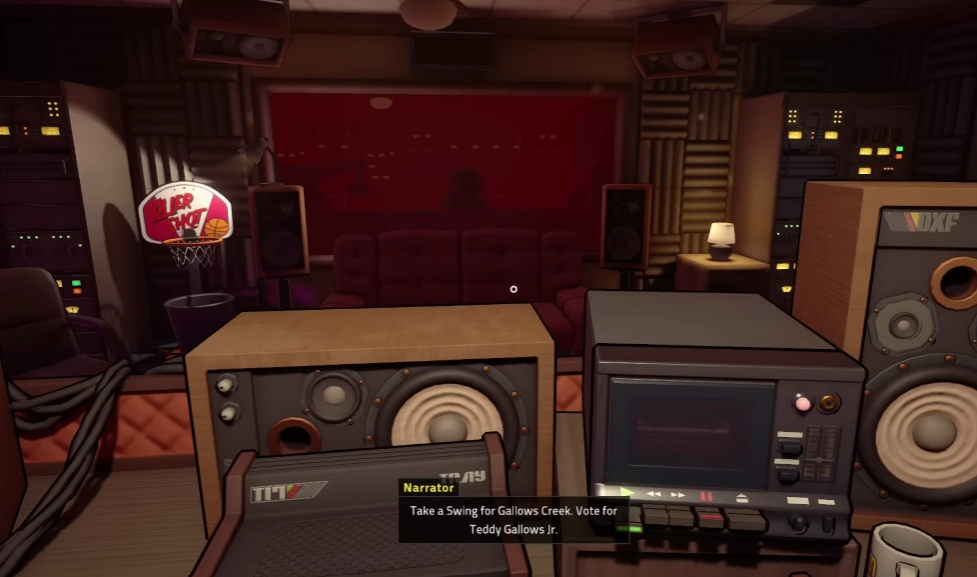
Killer Frequency is a first-person horror adventure game that was published by Team17. It was launched in 2023 and takes place in 1987. You play a radio host in a small town who has to unravel mysteries to find out who’s been killing local residents before the killer gets to you. It’s very narrative driven and you get to make lots of decisions while you play. Its aesthetics are also heavily based on the 1980s, so it’s going to be a lot of fun for VN fans as well as anyone who wants to love the 80s.
Conclusion: Play Plenty of VN-Like Games
You just have to look a little bit to start finding games similar to visual novels. They’re all over the place and they come on every platform you can think of. When you want to take a break from VNs, or just want to play something similar, you have plenty of options waiting for you. There’s no reason to ever feel like you don’t have any options when you finish one game and want to get into another one. There’s always something to play with that VN feel that you love.
Conclusion
In essence, games and visual novels are united by their focus on narrative, interactivity, emotional engagement, and multimedia integration. Despite their differences in gameplay mechanics, both offer unique and immersive ways for players to engage with stories. Whether through the extensive worlds and dynamic characters of a video game or the poignant, dialogue-driven plots of a visual novel, both mediums allow players to experience stories in a deeply personal and interactive way. The similarities between games and visual novels illustrate the versatile nature of storytelling in modern entertainment, showcasing the potential for diverse forms of interactive narratives to capture our hearts and imaginations.